

The real estate market in Madrid has undergone significant changes in recent years, influenced by economic, social and technological factors. Below, we explore the main trends shaping the market in 2024:
1. Increased Demand for Housing in the Outskirts
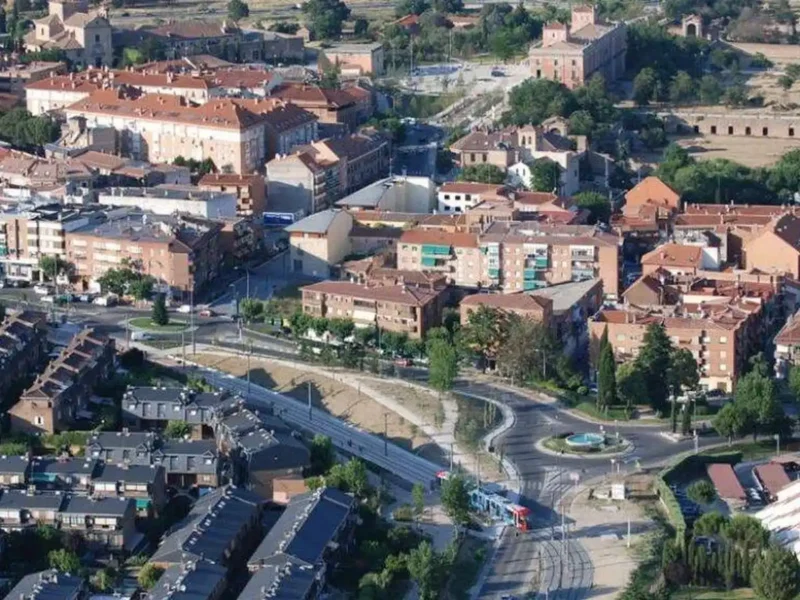
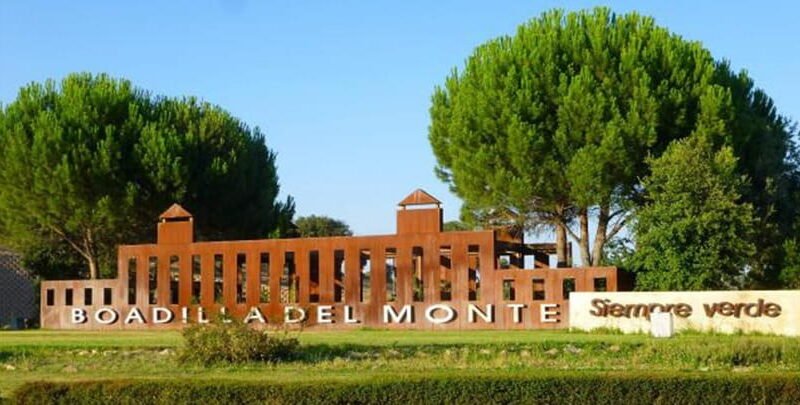
Remote work has allowed many people to seek larger and more affordable properties on the outskirts of Madrid, moving away from the city center. This has led to an increase in demand for housing in peripheral areas and suburban zones. Areas such as Boadilla del Monte, Pozuelo de Alarcón, and Torrejón de Ardoz have seen a rise in interest from buyers looking for a better balance between urban life and tranquility.
2. Rising Rental Prices
The rental market in Madrid continues to rise, with a constant increase in prices. Demand exceeds supply, especially in the most central neighborhoods and in areas with good transport connections. This has led to higher rental costs, affecting both local residents and students and expatriates looking for temporary accommodation.
3. Growth of the Sustainable Housing Market
Sustainability has gone from being an emerging trend to a real demand in the real estate market. Buyers are increasingly interested in homes that incorporate sustainable features, such as energy efficiency, eco-friendly materials and renewable energy systems. This responds not only to greater environmental awareness, but also to European regulations that promote emissions reduction and energy savings.
4. Property Appreciation in Emerging Neighborhoods
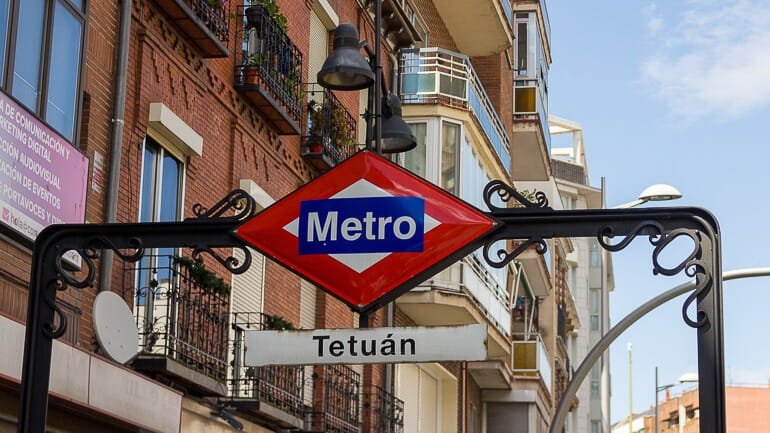
In addition to traditional high-value areas such as Salamanca or Chamberí, emerging neighborhoods like Arganzuela and Tetuán are experiencing significant appreciation. Infrastructure development, improved services and gentrification are attracting both investors and new residents. These neighborhoods offer an attractive mix of modernity and authenticity, making them popular options for home buying.
5. Foreign Investment and Second Home Purchases
Madrid remains a point of interest for foreign investment, especially among European and Latin American buyers looking for a second home in Spain. Favorable tax policies, along with the cultural appeal and economic stability of the capital, continue to drive this segment of the market. Furthermore, buying properties to rent out to tourists remains a profitable option for many investors.
Conclusion
The Madrid real estate market is in a dynamic period, with trends that reflect both global changes and specific local developments. For those looking to invest or buy a home in Madrid, it is crucial to stay on top of these trends in order to make informed decisions that maximize long-term value and satisfaction. Keeping up to date with these changes and working with professionals who understand the local market can make a big difference in the success of the investment.